Hospital Bag: What You'll Actually Use
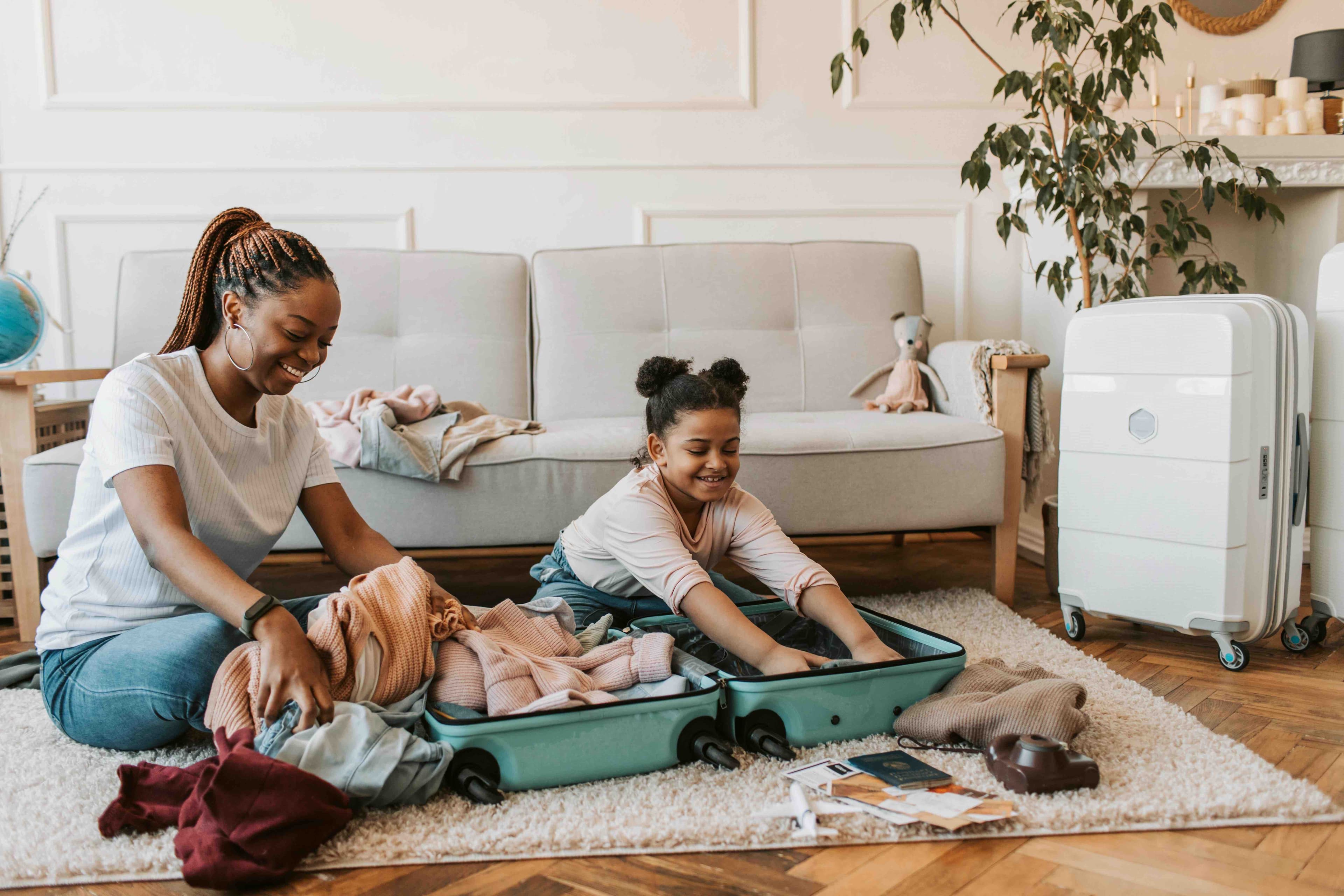
You're at 34 weeks. You search "what to pack in hospital bag" and get lists with 40, 50, sometimes 60 items. A nursing pillow, an essential oil diffuser, a Kindle, a facial mist, a "going home" outfit for yourself, and three coordinated outfits for a baby who'll spend 90% of the stay asleep and swaddled.
The problem with these lists is that they're built to cover every possible scenario, not to be practical. The result: a suitcase that weighs 15 pounds, half of which never leaves the bag, and a partner making extra trips to the parking lot because it won't all fit in one go.
A hospital stay for birth lasts one to three days. That's short. You'll be exhausted, focused on your baby, and you won't have the time or energy to read your Kindle or change outfits three times a day. What you need is the essentials, chosen well.
What the hospital provides (so you don't have to)
Before you pack anything, call your hospital or birthing center. Every facility has its own setup, and most provide more than you'd expect.
Most hospitals supply: diapers for the duration of your stay, baby blankets and swaddles, mesh underwear (unflattering but functional), maxi pads, a bassinet with linens, and hospital gowns. Some also provide peri bottles, ice packs, and nipple cream.
Skipping this step is the fastest way to haul a pack of newborn diapers for nothing and run out of room for the things that actually matter.
For you: what you'll reach for
Two nightgowns or pajama sets that open in the front. If you're breastfeeding, the front opening is non-negotiable. If you're not, it's still useful for skin-to-skin. Size up from your usual. Your belly doesn't vanish on delivery day, and comfort beats aesthetics right now.
Underwear you're willing to throw away. There's no graceful way to put this: postpartum is messy. The mesh underwear from the hospital works surprisingly well, but if you'd rather wear your own, go high-waisted and loose. If you're recovering from a C-section, nothing should press on the incision.
Heavy-duty postpartum pads. Thick, long, unscented. Regular pads won't cut it for the first few days. If your hospital doesn't provide them (ask), this is the one item you cannot afford to forget.
A long phone charger (6 feet minimum). The outlet will never be near your bed. Never. And your phone will be your lifeline, your entertainment during midnight feeds, and your baby's first camera. Bring a long cable.
Slip-on shoes with grip. You'll be walking hospital corridors. No flip-flops, no socks alone. Shoes that stay on your feet and don't slide on tile floors.
A water bottle with a straw. Breastfeeding makes you absurdly thirsty. A straw lets you drink one-handed while holding the baby. This is one of those small things that makes a big difference every two hours for three days straight.
Your documents. Insurance card, ID, birth plan if you have one, pre-registration paperwork. Put everything in one folder or zip bag. When contractions are coming, you won't be digging through four different bags.
For baby: less than you think
Your baby will weigh between 5 and 9 pounds. They'll sleep 16 to 20 hours a day. They need almost nothing.
Five or six side-snap bodysuits. Onesies that go over the head are a terrible idea with a newborn who can't hold their neck up. Side-snap bodysuits wrap around and close with snaps on the side. Pack half in newborn size, half in 0–3 months. You don't know how big your baby will be, and a bodysuit that's slightly too large beats one that won't close.
Four sleepers. Same logic: front-opening, snap closures. Spit-up is frequent, hence the backups.
Two cotton hats. Newborns lose heat through their heads. Even in summer, hospitals run air conditioning. Two thin cotton hats are enough.
One going-home outfit suited to the season. This is the only "dressed up" outfit you need. Winter: a bunting or snowsuit. Summer: a bodysuit with a light sleeper is plenty.
That's it. No matching socks (they're not walking), no scratch mittens (file their nails with a cardboard emery board), no three backup outfits for visitors. Visitors don't care what your baby is wearing. They just want to see them.
Want to create your own list?
Paste a product link from any store, we grab the details. Share your list with loved ones in one click.
Create my listFor the partner: the forgotten bag
Most checklists completely ignore the person who's there for support. But that person is also spending one or two nights at the hospital, usually on a pull-out chair whose comfort level qualifies as mild punishment.
A pillow. This is item number one. The hospital chair has no real cushion. Bring your own.
Food. The hospital feeds the patient, not the support person. Pack granola bars, trail mix, and water. The hospital vending machine is not a meal plan for 48 hours.
A button-down shirt or wide-neck tee. For skin-to-skin contact with the baby. This contact is just as beneficial with the partner as with the birth parent, and nurses encourage it more and more, especially after a C-section.
A change of clothes. Birth is a contact sport, including for the person at bedside.
What stays at the bottom of the bag
If you're looking for what to cut from your list, start here.
Books and Kindle. You won't read. Between feeds every two hours, nurse check-ins, meals, baby's first bath, and learning to change a diaper on a squirming 7-pound human, your free time is measured in minutes, not hours. And those minutes you'll spend sleeping or scrolling your phone with one eye open.
Your own nursing pillow. If you're breastfeeding, the hospital has them. If you want yours specifically, it's one more bulky item in an already full car. Try the hospital's first.
Candles and essential oils. Most hospitals ban open flames and strong scents for safety reasons. Don't pack them without checking first.
A Bluetooth speaker. Nice idea in theory, but your room is rarely private, and your neighbor may not share your taste in music. Earbuds, yes. Speaker, no.
Ten bodysuits and eight sleepers. You're staying two to three days. Five bodysuits and four sleepers are enough, even with spit-up. If everything truly gets dirty, the hospital has backup onesies. You're not packing for a two-week trip.
When to pack
Most midwives and OBs recommend having your bag ready by week 36 (start of the 9th month). Not earlier: you'll repack it three times adding and removing things. Not later: about 5% of babies arrive before 37 weeks, and scrambling for your stuff during contractions is not an experience anyone wants.
A tip that works well: pack two separate bags. A small "labor and delivery" bag with the bare minimum for the birth itself (documents, phone charger, shoes, one outfit for baby). A bigger "recovery" bag with everything else, which your partner can grab from the car after delivery.
The only list that matters is yours
Online checklists are starting points, not gospel. Your hospital, your delivery method, your climate, and your preferences change everything. A C-section in January in Chicago calls for a different bag than an unmedicated birth in August in Phoenix.
Call your hospital, ask for their specific list, cross off what doesn't apply, and add the one comfort item that will genuinely make you feel better. For some people, it's a sleep mask. For others, it's a thermos of good tea. One comfort luxury, not fifteen.
And if you're setting up a baby registry on LoveList, consider adding postpartum supplies (pads, disposable underwear, nursing pads). These are items nobody thinks to gift, but they genuinely lighten the load during those first days.